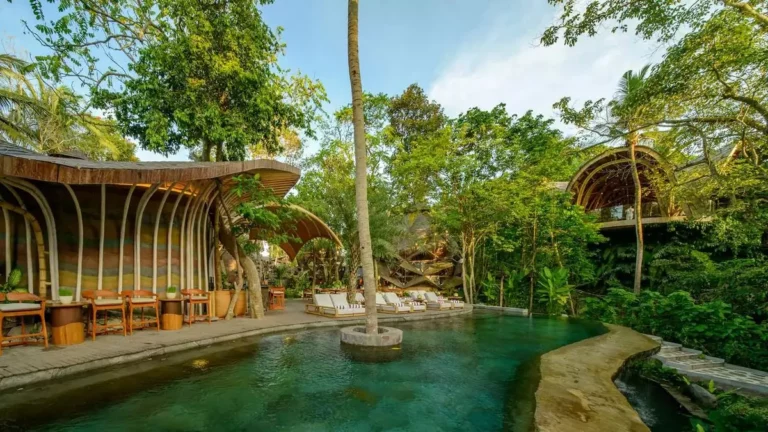
Eco Lodge Hotel – A Complete Guide to Sustainable Travel and Nature-Focused Stays
An eco lodge hotel is more than just a place to sleep; it is an immersive experience rooted in environmental stewardship, cultural respect, and community engagement. Unlike conventional hotels, eco lodges are designed to operate with minimal ecological impact while offering guests authentic interactions with nature and local culture.
The core philosophy behind an eco lodge hotel involves integrating sustainability into every operational aspect, from construction materials to energy sources, from food sourcing to waste management. These properties often serve as educational spaces, inspiring travelers to adopt more eco-conscious habits long after their stay.
Key Characteristics of a True Eco Lodge
Eco lodge hotels must go beyond marketing claims to genuinely adhere to sustainable principles. Their defining features often include renewable energy systems, water conservation initiatives, wildlife protection, and support for local economies. The best eco lodges integrate seamlessly into their natural surroundings, using design and architecture that reflect local traditions while minimizing environmental disruption.
Many eco lodges also hold certifications from recognized sustainability organizations, ensuring that their practices meet rigorous environmental and social responsibility standards.
The Role of Eco Lodge Hotels in Sustainable Tourism
Eco lodge hotels are vital players in the sustainable tourism movement. They help preserve fragile ecosystems, provide sustainable livelihoods for local communities, and educate visitors about conservation. By limiting the number of guests and offering guided nature-based experiences, eco lodges promote a slower, more mindful form of travel.
They also foster a direct connection between guests and their environment—something traditional urban hotels often cannot replicate. This bond can lead to deeper appreciation and stronger advocacy for protecting the world’s natural and cultural heritage.
Environmental Practices that Define Eco Lodge Hotels
Renewable Energy Use
Many eco lodges operate partially or fully on renewable energy sources such as solar, wind, or small-scale hydro power. This dramatically reduces their carbon footprint and demonstrates a commitment to long-term environmental health.
Water and Waste Management
Eco lodge hotels often implement water-saving systems, from rainwater harvesting to low-flow fixtures. Waste is minimized through composting, recycling, and eliminating single-use plastics. Some even treat and reuse greywater for landscaping purposes.
Biodiversity Protection
By operating in sensitive environments like rainforests, mountains, or coastal areas, eco lodges take active measures to protect native wildlife and plants. This can include maintaining buffer zones, funding conservation projects, and educating guests about local species.
Real-World Examples of Eco Lodge Hotels
Finca Rosa Blanca Coffee Plantation & Inn – Costa Rica

This boutique eco lodge combines sustainable hospitality with an organic coffee farm. The property uses solar panels, recycles greywater, and runs community-based cultural programs. Guests can tour the coffee fields, learn about organic farming, and experience how sustainable agriculture supports biodiversity.
Soneva Fushi – Maldives

A pioneer in luxury eco tourism, Soneva Fushi operates with a strong environmental ethic. The resort features solar power, zero-waste initiatives, and a marine conservation program. It also invests heavily in local community projects, proving that luxury and sustainability can coexist.
Three Camel Lodge – Mongolia

This desert eco lodge promotes Mongolian culture while protecting the fragile Gobi Desert ecosystem. Built using traditional construction techniques and local materials, it operates off-grid and supports wildlife research programs. Guests can engage in cultural exchanges with nomadic herders.
Daintree Ecolodge – Australia

Nestled in the world’s oldest rainforest, Daintree Ecolodge is committed to preserving Indigenous heritage and natural landscapes. The lodge uses rainwater harvesting, renewable energy, and eco-friendly guest amenities, offering guided rainforest walks to educate visitors on conservation.
Chumbe Island Coral Park – Tanzania

Located on a private marine reserve, Chumbe Island’s eco lodge operates entirely on solar power and rainwater collection. It’s a hub for coral reef research, environmental education, and sustainable fishing advocacy, allowing guests to snorkel in one of the most pristine marine ecosystems in the world.
Benefits of Staying at an Eco Lodge Hotel
Staying at an eco lodge offers both tangible and intangible rewards. Environmentally, your stay supports conservation and reduces the footprint of your travels. Socially, you contribute to local economies and cultural preservation.
Eco lodges often provide more personalized service, unique experiences, and the satisfaction of knowing your holiday is helping—rather than harming—the planet. The slower pace and close connection to nature can also enhance mental well-being, offering a true escape from the stress of modern life.
How Technology Enhances Eco Lodge Sustainability
While eco lodges are often associated with traditional or low-impact living, many integrate cutting-edge technology to improve sustainability.
Solar Energy Systems – Modern photovoltaic technology allows even remote eco lodges to operate fully off-grid without sacrificing comfort.
Water Purification Units – Advanced filtration ensures safe drinking water without reliance on bottled water, reducing plastic waste.
Smart Energy Management – IoT devices monitor and optimize energy use, ensuring resources are not wasted.
These technologies not only reduce environmental impact but also help eco lodges demonstrate measurable sustainability results to guests and certification bodies.
Practical Use Cases for Eco Lodge Hotels
Educational Tourism – Schools and universities can partner with eco lodges for immersive learning experiences in ecology, anthropology, or sustainable development.
Wellness Retreats – The natural settings and peaceful environments make eco lodges ideal for yoga, meditation, and holistic wellness programs.
Adventure Travel – Eco lodges often serve as bases for eco-conscious trekking, kayaking, wildlife watching, and other low-impact outdoor activities.
Cultural Immersion – Many eco lodges are deeply tied to local traditions, offering guests the chance to learn indigenous crafts, participate in ceremonies, or cook with local ingredients.
Corporate Sustainability Programs – Companies can use eco lodges for team-building retreats aligned with corporate social responsibility goals.
Frequently Asked Questions
1. How is an eco lodge different from a regular hotel?
Eco lodges prioritize environmental sustainability, cultural respect, and community benefit, often using renewable energy, sustainable materials, and eco-friendly practices.
2. Are eco lodge hotels always in remote locations?
Not always. While many are located in nature-rich areas, some eco lodges exist on the outskirts of cities, blending sustainability with urban convenience.
3. Do eco lodge hotels compromise on comfort?
No. Many eco lodges offer luxurious amenities while maintaining strong sustainability practices. Comfort and eco-consciousness can go hand in hand.