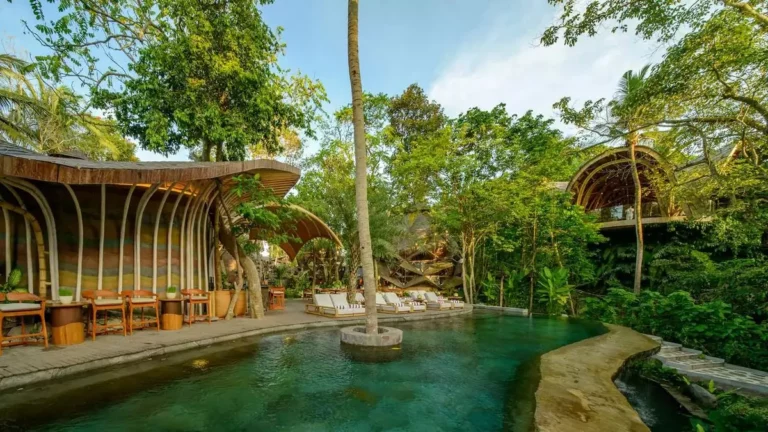
Hotels and Sustainability – How the Hospitality Industry is Shaping a Greener Future
Hotels and sustainability refer to the integration of environmentally responsible, socially conscious, and economically viable practices into the hospitality industry. In recent years, the hotel sector has recognized its significant environmental footprint and the need to implement changes that minimize harm while delivering quality guest experiences.
From reducing carbon emissions and conserving water to sourcing local products and protecting cultural heritage, sustainability in hotels goes far beyond green marketing—it’s about rethinking operations from the ground up. This shift responds not only to environmental concerns but also to growing consumer demand for responsible travel options.
Why Sustainability is Vital in the Hotel Industry
Hotels are resource-intensive. They consume large amounts of water and energy, produce significant waste, and often operate in environmentally sensitive locations. By adopting sustainable practices, hotels can:
- Reduce their operational costs over time through efficiency.
- Enhance their reputation among eco-conscious travelers.
- Comply with increasing environmental regulations.
- Support local communities and economies.
The focus is no longer on whether hotels should be sustainable, but on how quickly they can implement effective strategies.
Key Practices That Define Sustainable Hotels

Sustainable hotels follow a set of operational guidelines and principles that ensure environmental, social, and economic responsibility. These practices include:
- Energy Efficiency – Using LED lighting, smart climate control systems, and renewable energy sources such as solar and wind power.
- Water Conservation – Installing low-flow fixtures, reusing greywater for irrigation, and harvesting rainwater.
- Waste Reduction – Eliminating single-use plastics, composting organic waste, and promoting recycling programs.
- Sustainable Sourcing – Procuring food, materials, and amenities from local and ethical suppliers.
- Community Engagement – Employing local staff, promoting cultural heritage, and supporting community projects.
Each of these areas contributes to a hotel’s long-term sustainability impact.
The Role of Technology in Hotel Sustainability
Technology has become a game-changer for sustainability in the hospitality industry.
Smart building systems allow hotels to monitor and optimize energy and water use in real time, ensuring resources are only used when needed. Automated sensors can switch off lights and air conditioning in unoccupied rooms, while advanced kitchen equipment minimizes food waste.
Digital guest services—such as mobile check-ins, e-receipts, and in-room tablets—reduce paper usage and improve operational efficiency. Cloud-based management systems also enable hotels to track sustainability metrics, identify areas for improvement, and report progress transparently to guests and stakeholders.
Real-World Examples of Hotels Leading in Sustainability
Proximity Hotel – Greensboro, North Carolina, USA

The Proximity Hotel is a pioneer in sustainable hospitality, achieving LEED Platinum certification. It operates with over 100 solar panels, regenerative drive elevators, and abundant daylighting to minimize electricity use. The property sources much of its food locally and uses recycled building materials in its construction.
Its success demonstrates that high-end comfort can coexist with deep environmental responsibility.
Hoshinoya Karuizawa – Nagano, Japan
This luxury eco-resort blends with its natural surroundings, using hydropower generated from a nearby river to supply its energy needs. It offers nature-based experiences that encourage guests to engage with the environment while maintaining a low ecological footprint.
By integrating renewable energy with cultural authenticity, Hoshinoya Karuizawa shows how hotels can be both sustainable and culturally enriching.
The Green House Hotel – Bournemouth, UK

Running entirely on renewable energy, The Green House Hotel uses furniture made from sustainably sourced materials, implements water-saving systems, and serves locally sourced seasonal menus.
It proves that even boutique properties can lead in sustainability and inspire others in the industry.
Six Senses Laamu – Maldives
Located on a remote atoll, Six Senses Laamu uses solar energy, advanced water treatment systems, and strict waste management processes. The resort also supports marine conservation projects and educates guests about coral reef protection.
Its efforts show that luxury island resorts can operate responsibly in fragile ecosystems.
Hotel Verde – Cape Town, South Africa
.jpg)
Hotel Verde, dubbed “Africa’s Greenest Hotel,” features greywater recycling, composting facilities, and solar panels. It also engages heavily with the local community, providing employment and development opportunities.
It’s an example of how urban hotels can integrate sustainability without compromising guest satisfaction.
Benefits of Integrating Sustainability in Hotels
Lower Operating Costs
Energy-efficient systems, water conservation measures, and waste reduction programs lower utility bills and reduce expenses in the long run.
Improved Guest Experience
Many travelers appreciate staying in properties that align with their values, especially when sustainability enhances comfort, such as through improved air quality and natural materials.
Brand Differentiation
Sustainable practices can set a hotel apart in a competitive market, attracting eco-conscious guests and corporate clients with environmental commitments.
Resilience to Regulation
As governments introduce stricter environmental laws, hotels with sustainable practices are better positioned to comply and adapt.
Positive Community Impact
Supporting local suppliers and hiring locally fosters goodwill and strengthens the community.
Practical Use Cases for Hotels and Sustainability
Corporate Travel Programs
Businesses increasingly prefer booking sustainable hotels to align with their environmental goals and demonstrate corporate social responsibility.
Eco-Tourism Packages
Tour operators can create travel experiences centered on sustainable hotels, attracting environmentally aware travelers.
Educational Retreats
Universities and schools can use sustainable hotels for field trips to teach students about real-world environmental practices.
Wellness and Health Programs
Sustainable hotels often use toxin-free materials and organic foods, making them ideal for wellness retreats.
Remote Work Stays
Long-term stays in sustainable hotels provide remote workers with healthier living environments and reduced environmental impact.
The Future of Sustainability in Hotels
Sustainability is no longer a niche concept—it is becoming a core operational standard for hotels worldwide. Future advancements will likely include net-zero carbon buildings, AI-powered energy management, and fully circular waste systems where nothing goes to landfill.
As travelers increasingly choose accommodations based on sustainability, hotels that fail to adapt risk losing relevance. Those who lead the way will not only help the planet but also gain loyal guests who value their commitment.
Frequently Asked Questions
1. What does sustainability mean in the context of hotels?
It refers to practices that reduce environmental impact, support local communities, and ensure long-term economic viability without compromising guest experience.
2. Are sustainable hotels always more expensive?
Not always. Many sustainable measures reduce costs over time, allowing hotels to offer competitive pricing while maintaining eco-friendly operations.
3. How can guests verify a hotel’s sustainability claims?
Look for credible certifications like LEED, Green Key, or EarthCheck, and review published sustainability reports from the hotel.