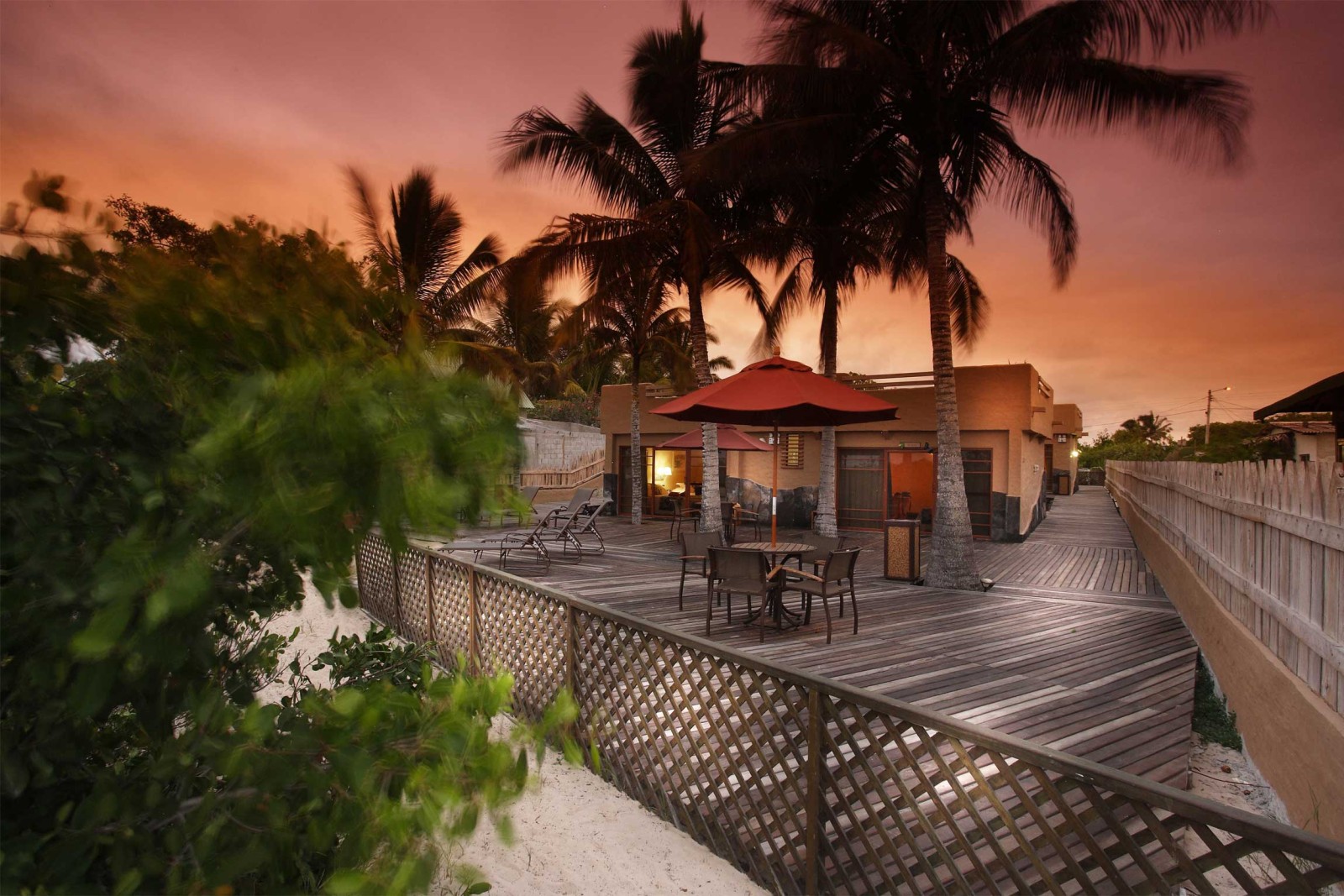
Galapagos Eco-Friendly Travel – A Complete Guide to Sustainable Tourism in the Enchanted Islands
The Galapagos Islands are a UNESCO World Heritage Site and one of the most biodiverse regions on Earth. The phrase “Galapagos eco-friendly” refers to tourism and travel practices designed to minimize human impact on the islands’ fragile ecosystems while supporting local communities.
Eco-friendly travel in the Galapagos is not a luxury—it’s a necessity. The region’s isolation makes it both ecologically unique and vulnerable. Sustainable practices help maintain the delicate balance between tourism growth and environmental preservation, ensuring that rare species and natural landscapes remain protected for generations to come.
Why Sustainability Is Essential in the Galapagos
The Galapagos Islands face multiple environmental pressures: climate change, invasive species, plastic pollution, and the growing popularity of tourism. Without sustainable measures, these pressures could irreversibly damage habitats and wildlife populations.
Adopting eco-friendly practices in accommodation, transportation, and activities ensures the islands remain a living laboratory for science and a wildlife sanctuary. Responsible tourism also strengthens the local economy without sacrificing the health of the environment.
Principles of Eco-Friendly Tourism in the Galapagos
Insert image of a guided eco-tour group observing marine iguanas from a safe distance.
Eco-friendly tourism here is guided by several key principles:
- Environmental Conservation – Protecting natural habitats, preventing pollution, and restoring ecosystems.
- Wildlife Respect – Observing animals without interfering, keeping safe distances, and following park rules.
- Community Benefit – Supporting locally owned businesses and employing local guides.
- Resource Efficiency – Reducing energy, water, and material waste through conscious use and technology.
- Educational Engagement – Raising awareness among visitors about conservation challenges and solutions.
How Technology Supports Eco-Friendliness Efforts in the Galapagos
Technology plays an increasingly important role in making tourism more sustainable. Solar panels and renewable energy systems power eco-lodges, reducing dependence on fossil fuels. Water purification and recycling systems allow hotels to limit freshwater consumption.
Eco-friendly boats now use hybrid or electric engines to cut emissions and prevent fuel leaks into the ocean. Mobile ticketing and digital itineraries eliminate paper waste. Even wildlife monitoring benefits from GPS tracking and drone surveillance, which help scientists and park authorities monitor species without disturbing them.
Real-World Examples of Galapagos Eco-Friendly Tourism
Finch Bay Galapagos Hotel – Puerto Ayora
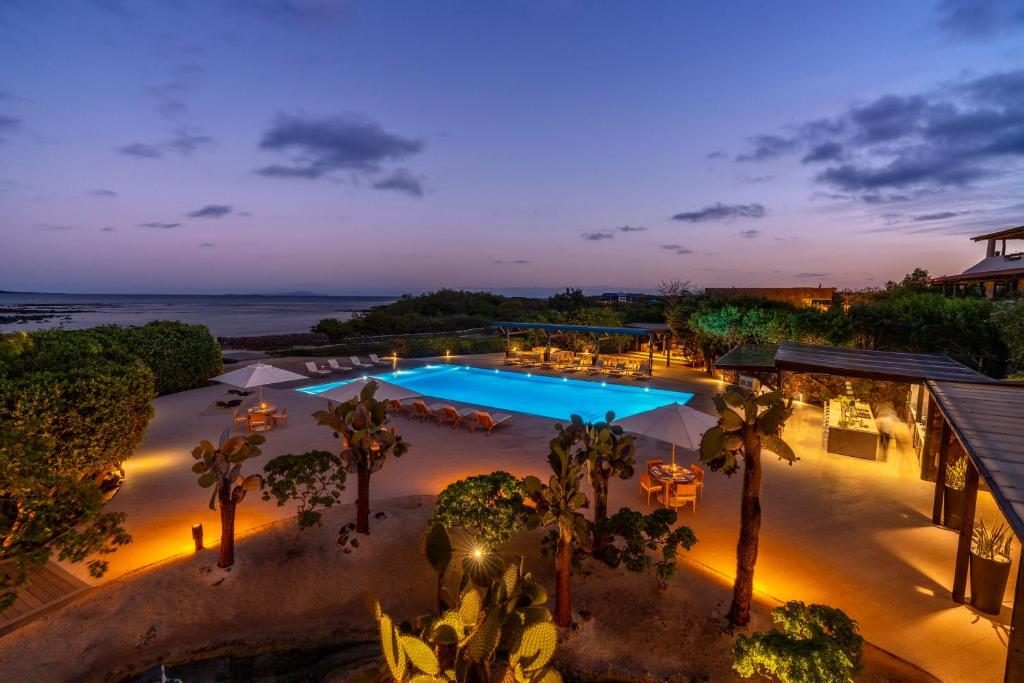
This award-winning hotel runs on solar power, treats its wastewater, and sources organic produce from local farms. Guests are encouraged to participate in conservation talks and guided nature walks.
Finch Bay proves that high-end hospitality can coexist with strict environmental stewardship without compromising comfort or service.
Galapagos Safari Camp – Santa Cruz Island
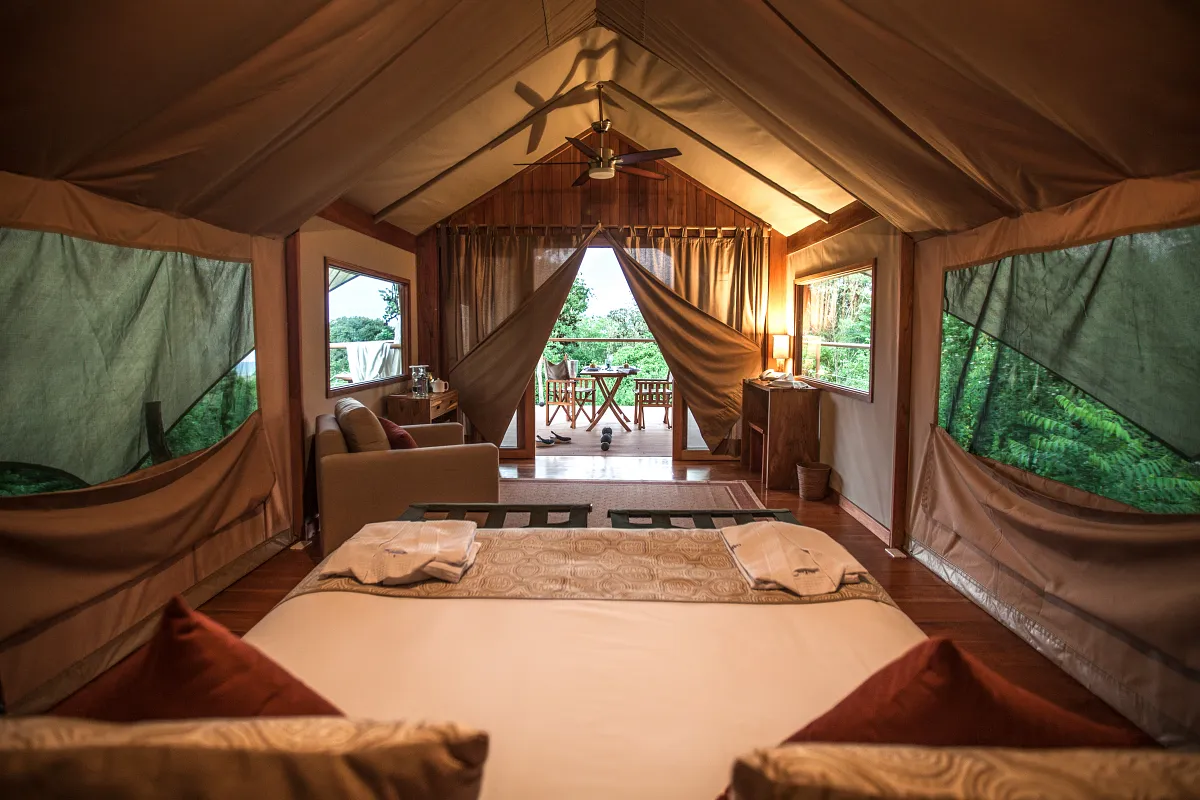
This luxury tented camp harvests rainwater, uses energy-efficient appliances, and serves locally sourced food. Its programs include conservation education for guests and immersive eco-tours.
It’s an example of how eco-design and low-impact living can enhance rather than limit the travel experience.
Tip Top Fleet – Eco-Conscious Yachting
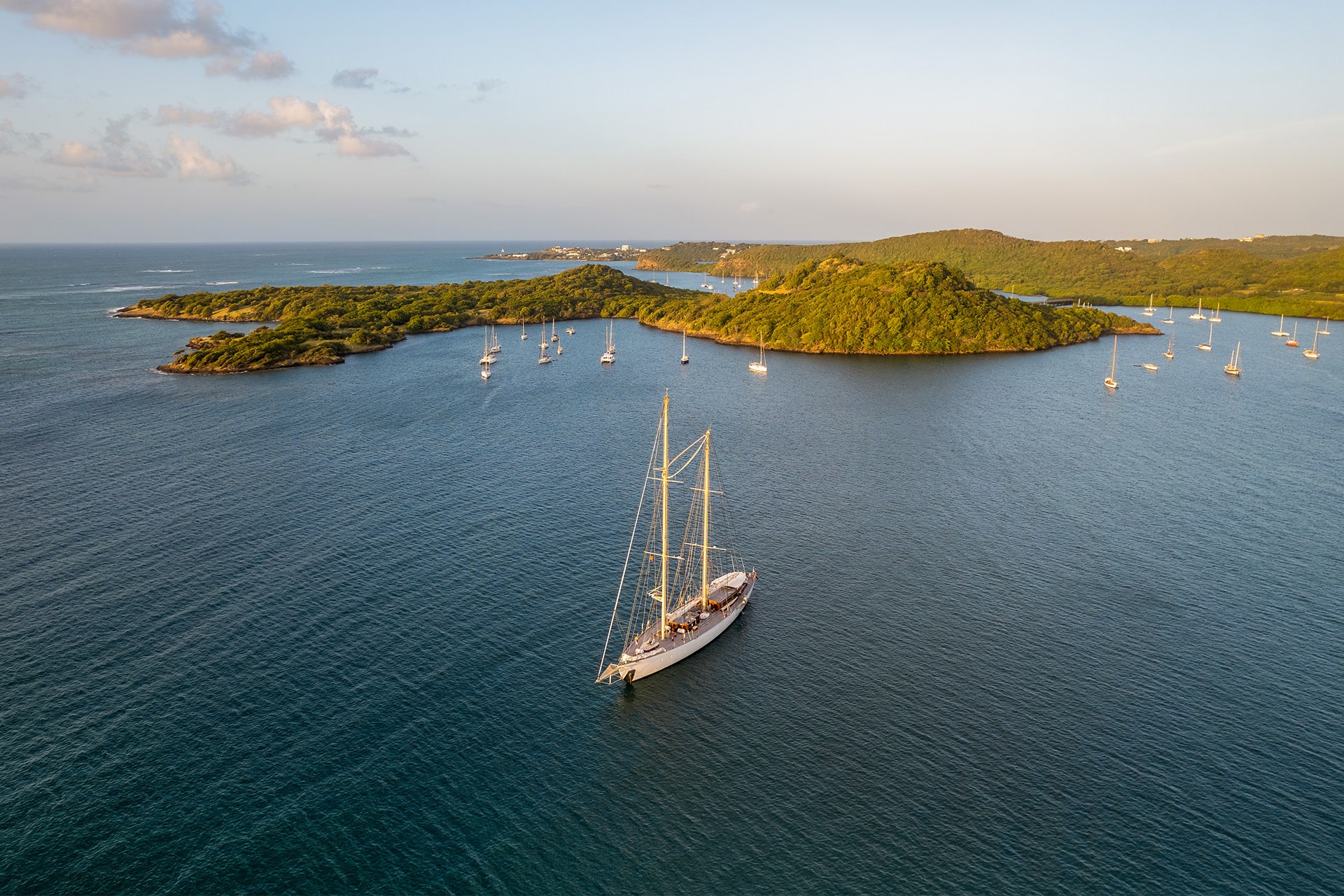
These cruise vessels operate under strict sustainability guidelines, using fuel-efficient engines, biodegradable products, and advanced waste separation systems. Naturalist guides onboard provide education on marine conservation.
By blending sustainable cruising with educational immersion, Tip Top Fleet sets a new standard for eco-friendly maritime tourism in the Galapagos.
Pikaia Lodge – Zero-Impact Luxury

Pikaia Lodge uses renewable energy, recycles water, and participates in reforestation efforts. Guests can join tree planting and conservation activities, making the experience both luxurious and impactful.
This lodge shows that even in a remote island environment, zero-impact operations are possible with the right planning and technology.
Red Mangrove Aventura Lodge – Living with Nature
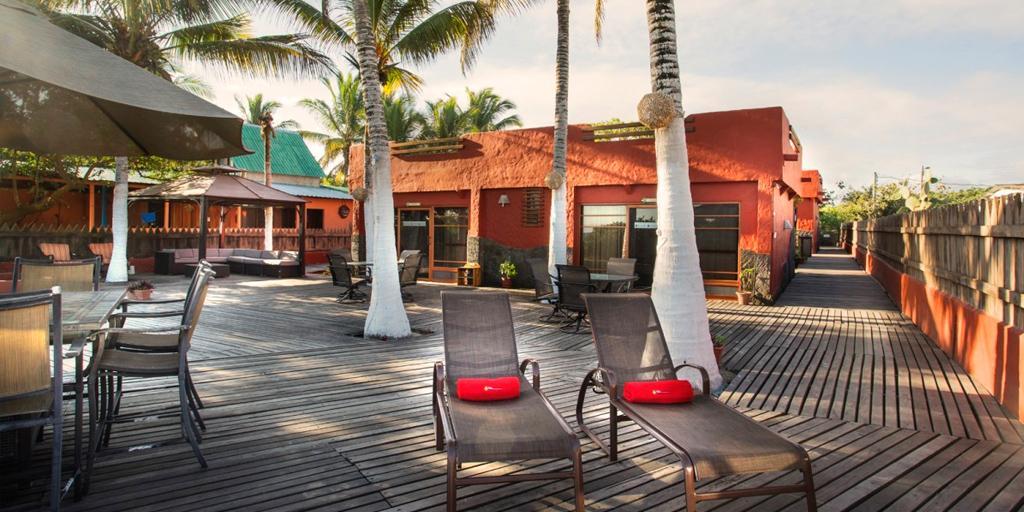
Nestled in a mangrove forest, this lodge integrates sustainable architecture with habitat preservation. It runs community outreach programs and supports local marine conservation initiatives.
Its model demonstrates how eco-friendly design can actively enhance local ecosystems rather than disrupt them.
Benefits of Choosing Eco-Friendly Travel in the Galapagos
Protects Endangered Wildlife
Eco-friendly tours and accommodations help safeguard species like the giant tortoise, blue-footed booby, and marine iguana.
Reduces Pollution
Renewable energy, biodegradable materials, and waste reduction initiatives minimize both land and ocean pollution.
Supports Local Livelihoods
Spending with locally owned businesses ensures tourism revenue benefits the community directly.
Delivers Unique Experiences
Eco-friendly trips often involve authentic, hands-on experiences that deepen travelers’ connection to the islands.
Ensures Long-Term Access
Sustainable tourism keeps the islands open for future generations by maintaining ecological balance.
Use Cases for Galapagos Eco-Friendly Tourism
Educational Field Studies
Schools and universities conduct eco-friendly study tours to learn about conservation while minimizing environmental disruption.
Wildlife Photography Expeditions
Photographers can capture rare species responsibly through certified eco-tours that respect wildlife boundaries.
Volunteer Tourism
Visitors can join reforestation, beach cleanups, and wildlife monitoring programs, contributing directly to preservation.
Family Nature Adventures
Eco lodges provide safe, educational activities for families to learn about ecology together.
Adventure with Purpose
Travelers enjoy kayaking, snorkeling, and hiking with the assurance that their activities have minimal impact.
The Future of Eco-Friendly Tourism in the Galapagos
The Galapagos is at the forefront of sustainable tourism innovation. Expect more electric boats, zero-waste hotels, and increased visitor education programs. Stricter visitor caps and enhanced monitoring will help prevent over-tourism.
If travelers continue to prioritize eco-friendly principles, the islands will remain one of the world’s last pristine natural sanctuaries, where humans and nature coexist in harmony.
Frequently Asked Questions
1. What does “eco-friendly” mean in the Galapagos context?
It means adopting travel and tourism practices that reduce environmental impact, protect wildlife, and benefit local communities.
2. Is eco-friendly travel in the Galapagos more expensive?
Not necessarily. While some eco-luxury options exist, many sustainable choices are competitively priced and deliver high value.
3. Can I still see all major attractions with eco-friendly travel?
Yes. Eco-friendly tours cover all key sites, focusing on responsible and regulated experiences that protect the islands.