EcoCamp Patagonia – A Complete Guide to Sustainable Dome Glamping in Torres del Paine
Located in the heart of Torres del Paine National Park in Chile, EcoCamp Patagonia is the world’s first fully sustainable geodesic dome hotel. Known for blending immersive nature experiences with minimal environmental impact, it attracts eco-conscious travelers, adventure seekers, and wildlife enthusiasts from all over the world.
EcoCamp Patagonia’s unique design, renewable energy systems, and community-oriented ethos have made it a pioneer in sustainable tourism. Guests enjoy panoramic views of the Patagonian wilderness while participating in low-impact activities that protect this UNESCO Biosphere Reserve.
The Concept and Vision of EcoCamp Patagonia
EcoCamp Patagonia was founded with the mission of providing travelers with comfort, adventure, and environmental responsibility in one package. The resort operates under three guiding principles:
- Sustainability – Minimize environmental impact by using renewable energy, eco-friendly architecture, and waste reduction systems.
- Community – Support local cultures and economies through employment, education, and cultural exchange.
- Adventure – Offer access to world-class trekking, wildlife viewing, and outdoor activities.
This vision has positioned EcoCamp as a model for other eco-resorts worldwide, proving that hospitality can be both luxurious and regenerative.
Environmental Significance of the Location

Torres del Paine National Park is one of the most biodiverse regions in South America. It’s home to guanacos, pumas, Andean condors, and countless endemic plants. However, the park also faces challenges from climate change, overtourism, and habitat degradation.
EcoCamp Patagonia’s location makes sustainability not just a marketing tool, but a necessity. The resort’s design ensures it operates harmoniously within the park, without damaging its fragile ecosystems. By implementing strict environmental protocols, EcoCamp helps preserve this pristine landscape for future generations.
How EcoCamp Patagonia Uses Technology for Sustainability
EcoCamp Patagonia integrates modern technology with traditional wisdom to achieve self-sufficiency:
- Renewable Energy Systems – A hybrid of solar panels and micro-hydro turbines powers the camp, reducing reliance on fossil fuels.
- Water Conservation – Rainwater harvesting and greywater recycling systems minimize freshwater extraction from the park.
- Natural Climate Control – Geodesic domes use passive heating and ventilation to maintain comfort without excessive energy use.
- Composting Toilets – Waste is composted on-site, reducing pollution and enriching soil for local vegetation projects.
- Eco-Friendly Materials – Domes are constructed from recycled and renewable materials, blending durability with sustainability.
This mix of high-tech and nature-inspired solutions allows guests to enjoy comfort in one of the most remote places on Earth without leaving a heavy footprint.
Real-World Examples of EcoCamp Patagonia’s Impact
Geodesic Dome Accommodations
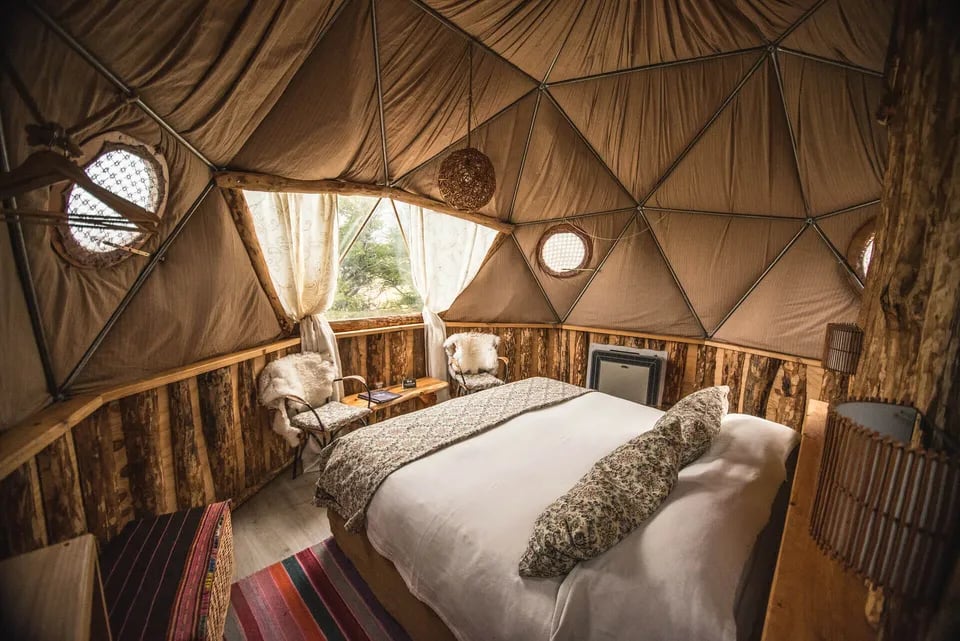
The geodesic domes are inspired by the designs of Buckminster Fuller and the traditional dwellings of the region’s indigenous Kawésqar people. These structures are aerodynamic, energy-efficient, and resilient against Patagonia’s notorious winds.
The domes provide panoramic views of the park, encouraging guests to stay connected to nature while enjoying modern comforts like comfortable beds, warm blankets, and private bathrooms in certain units.
Renewable Energy Infrastructure
.webp?width=893&height=608&name=7sustainable-design%20(1).webp)
EcoCamp operates on 100% renewable energy, combining photovoltaic solar panels and micro-hydro power from nearby streams. This hybrid system ensures consistent power, even during Patagonia’s variable weather.
This energy independence sets an example for other remote hospitality operations worldwide, proving that off-grid luxury is both possible and sustainable.
Wildlife Conservation Partnerships
Insert image of a guanaco grazing near EcoCamp Patagonia
EcoCamp partners with conservation organizations to monitor wildlife populations, particularly guanacos and pumas. Data collected from these collaborations informs park management and helps shape tourism guidelines.
Guests are encouraged to participate in wildlife observation programs, contributing to citizen science efforts that directly benefit the region’s biodiversity.
Community Engagement and Local Employment
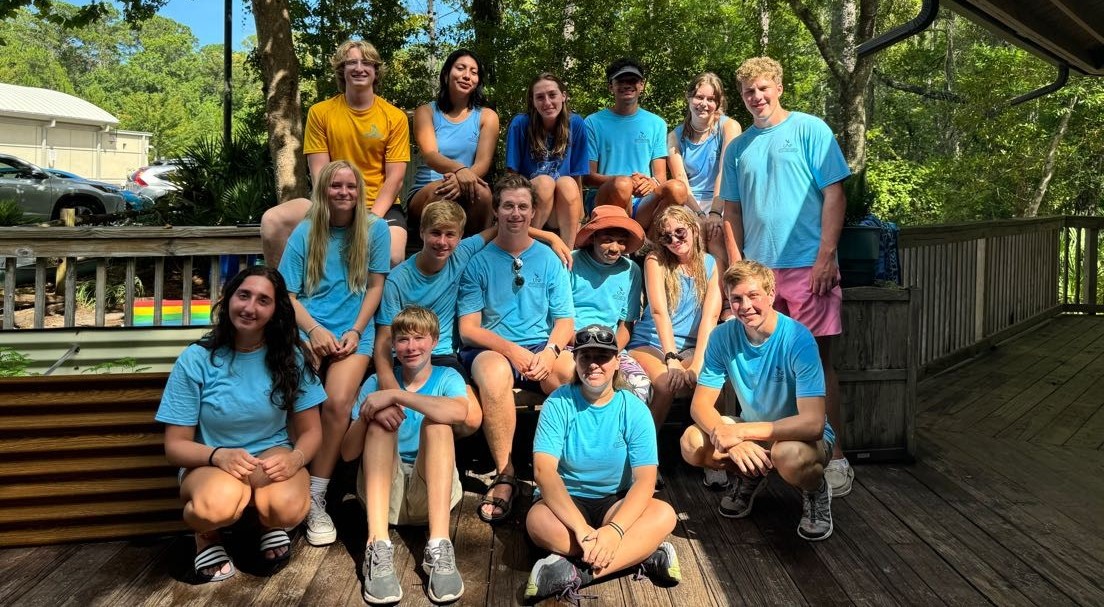
The majority of EcoCamp’s staff come from nearby towns and villages. This not only provides stable employment but also integrates local knowledge and culture into the guest experience.
Through partnerships with community groups, EcoCamp supports artisan cooperatives, environmental education in schools, and sustainable farming projects.
Low-Impact Adventure Programs
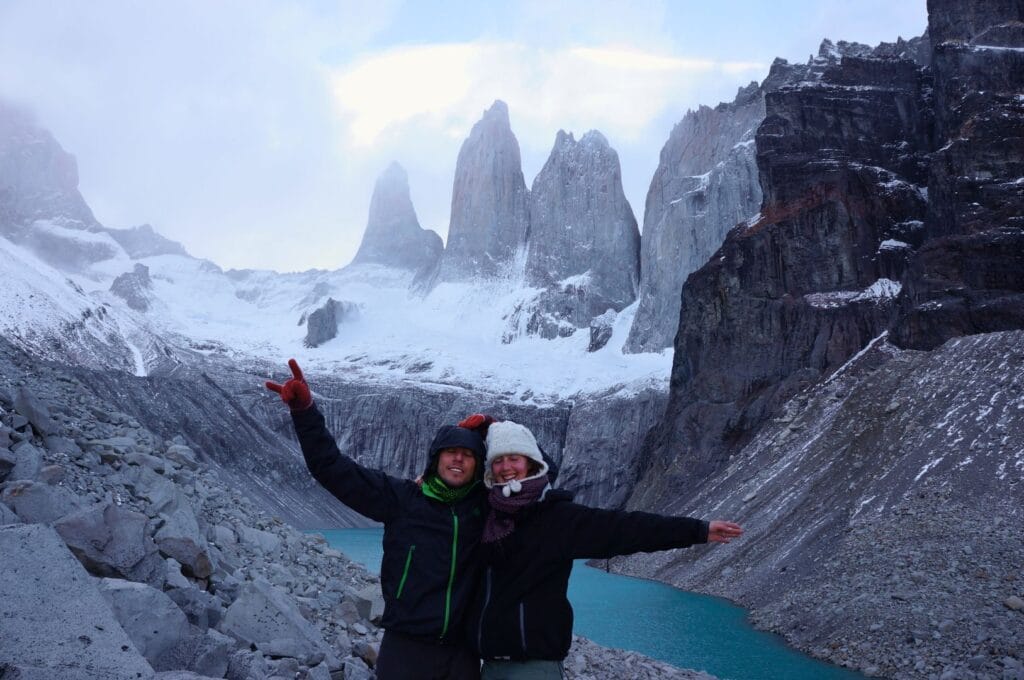
EcoCamp offers guided treks, wildlife safaris, and kayaking trips designed to minimize environmental impact. Groups are kept small, waste is packed out, and routes are chosen to avoid sensitive habitats.
These programs allow travelers to explore Patagonia’s rugged beauty without contributing to its degradation.
Benefits of Staying at EcoCamp Patagonia
Immersive Nature Experience
Guests live amidst the wild beauty of Torres del Paine, with unobstructed views of mountains, glaciers, and wildlife.
Sustainable Luxury
EcoCamp proves that you don’t have to sacrifice comfort to travel responsibly.
Educational Opportunities
Guides share insights on local ecology, geology, and culture, enriching the travel experience.
Community Support
Your stay contributes to local economies and cultural preservation.
Health anWell-beingng
The remote location, fresh air, and active excursions promote physical fitness and mental clarity.
Use Cases for EcoCamp Patagonia
Eco-Conscious Adventure Travel
Ideal for travelers seeking both adrenaline and environmental responsibility.
Educational Field Trips
Universities and environmental organizations use EcoCamp as a base for field research.
Wildlife Photography Expeditions
The location offers unparalleled opportunities for capturing rare species in their natural habitat.
Corporate Sustainability Retreats
Companies use EcoCamp for leadership training and team-building in a pristine natural setting.
Wellness and Mindfulness Escapes
Yoga, meditation, and nature immersion help guests reset and recharge.
The Future of EcoCamp Patagonia
EcoCamp continues to refine its regenerative tourism model, with plans to expand conservation partnerships, improve renewable infrastructure, and share its sustainability expertise with other lodges.
Its influence reaches beyond Patagonia, inspiring eco-lodges around the world to adopt renewable energy, support local communities, and minimize their environmental impact.
Frequently Asked Questions
1. Where is EcoCamp Patagonia located?
EcoCamp is situated in Torres del Paine National Park in southern Chile, a UNESCO Biosphere Reserve known for its dramatic landscapes and diverse wildlife.
2. Is EcoCamp Patagonia open year-round?
No. The camp operates seasonally from September to April to align with Patagonia’s most accessible weather conditions.
3. What makes EcoCamp unique among eco-lodges?
It is the first hotel of its kind to use geodesic domes, run entirely on renewable energy, and integrate deeply with both local communities and conservation projects.