Thalori Traditional Ecotourism Village – A Sustainable Travel Experience in Crete
Thalori Traditional Ecotourism Village is a unique destination in Crete that combines heritage preservation with environmental stewardship. Located in the heart of the Asterousia Mountains, it offers visitors an authentic taste of Cretan village life while embracing sustainable tourism practices.
The concept behind Thalori is to restore and maintain traditional architecture, revive cultural traditions, and promote eco-friendly hospitality. Every detail from the design of the accommodations to the sourcing of food reflects a deep respect for nature and local heritage.
The History and Vision Behind Thalori
Thalori was created with the vision of breathing new life into an abandoned Cretan village. The founders recognized the value of preserving traditional stone houses, local customs, and the unspoiled landscape. Rather than allowing the village to fall into ruin, they restored it with sustainability as a guiding principle.
The name “Thalori” itself reflects the harmony between sea (“thalassa”) and mountain (“ori”), embodying the unique geography of the location. This harmony is not only geographical but also philosophical, balancing tradition with modern environmental responsibility.
Key Features of the Ecotourism Experience

The Thalori experience is designed to immerse guests in Cretan culture while minimizing environmental impact. The features include:
- Restored stone houses furnished with handcrafted wooden furniture.
- Organic farming and locally sourced ingredients for traditional meals.
- Guided hiking, horseback riding, and birdwatching tours.
- Workshops on traditional crafts and Cretan cooking.
These elements create a rich, immersive experience that allows visitors to connect with both the natural environment and the island’s cultural heritage.
Sustainability Practices at Thalori
Sustainability is at the heart of Thalori’s operations. The village employs multiple eco-conscious practices, such as:
- Energy efficiency: Use of renewable energy sources, energy-saving appliances, and natural ventilation.
- Waste reduction: Composting organic waste, recycling, and reducing single-use plastics.
- Water conservation: Rainwater collection systems and low-flow fixtures.
- Biodiversity preservation: Protecting local wildlife habitats and promoting native plant growth.
These initiatives not only reduce the village’s ecological footprint but also set an example for sustainable rural tourism in Greece.
The Role of Technology in Thalori’s Sustainability Efforts
While Thalori prioritizes tradition, technology plays a supporting role in its environmental management.
- Solar energy systems provide renewable power without compromising the natural beauty of the village.
- Water filtration and treatment technology ensure clean water while minimizing waste.
- Energy monitoring systems track consumption, allowing staff to make data-driven improvements.
- Online booking systems reduce paper waste and streamline operations.
This careful integration of technology ensures that sustainability goals are met without detracting from the traditional village atmosphere.
Real-World Examples of Thalori’s Ecotourism Offerings
Traditional Cretan Accommodation
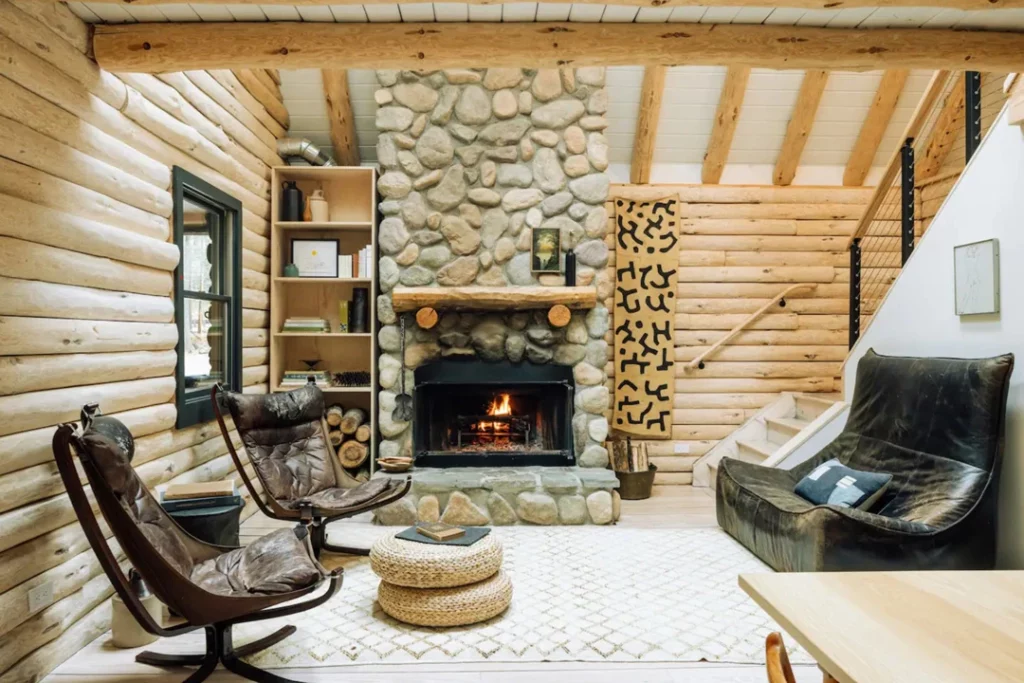
Thalori’s accommodations are restored traditional houses built from local stone and wood. They maintain architectural authenticity while offering modern comfort. The use of natural building materials not only preserves cultural heritage but also improves energy efficiency.
Guests staying in these homes experience a tangible connection to the island’s past while supporting heritage conservation.
Organic Farm-to-Table Dining
Meals at Thalori are prepared using ingredients from its own organic gardens and local farmers. Seasonal vegetables, olive oil, and herbs are staples of the menu, reflecting the healthy Mediterranean diet.
This approach reduces food miles, supports local agriculture, and offers guests an authentic culinary experience.
Nature-Based Activities

Visitors can take part in eco-friendly activities such as hiking, birdwatching, and horseback riding. These activities are designed to have minimal environmental impact while allowing guests to appreciate the region’s biodiversity.
Guides share knowledge about local flora, fauna, and cultural history, making the experience both educational and enjoyable.
Cultural Workshops
Thalori organizes workshops on pottery, weaving, and traditional Cretan cooking. These hands-on experiences preserve cultural skills that might otherwise be lost and provide an additional source of income for local artisans.
By participating, guests help sustain these traditions and gain a deeper appreciation for the island’s cultural identity.
Wildlife and Habitat Conservation
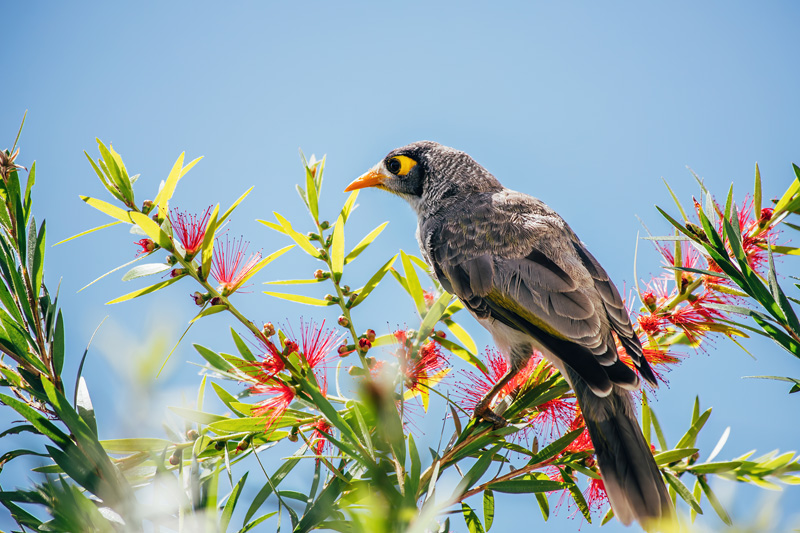
The surrounding area is home to rare bird species and unique Mediterranean plants. Thalori collaborates with conservation groups to monitor wildlife and maintain natural habitats.
Guests are encouraged to take part in environmental projects, such as tree planting and clean-up initiatives, reinforcing the eco-tourism ethos.
Benefits of Choosing Thalori for Eco-Conscious Travelers
Choosing Thalori Traditional Ecotourism Village benefits both travelers and the environment:
- Authentic cultural immersion without contributing to over-tourism in urban centers.
- Reduced environmental impact through eco-conscious operations.
- Support for local communities via employment and promotion of traditional crafts.
- Health and wellness from fresh, organic food and outdoor activities.
These benefits align perfectly with the growing demand for meaningful, responsible travel experiences.
Use Cases: How Thalori Solves Tourism Challenges
Combatting Rural Depopulation – By restoring an abandoned village and creating jobs, Thalori addresses the issue of rural decline in Crete.
Reducing Over-Tourism – Thalori offers an alternative to crowded coastal resorts, spreading tourism benefits to less-visited areas.
Preserving Heritage – Traditional architecture, crafts, and customs are actively maintained and passed on to future generations.
Minimizing Environmental Damage – Eco-friendly practices prevent the degradation of local ecosystems.
Frequently Asked Questions
1. What makes Thalori different from other eco lodges in Crete?
Thalori is not just an accommodation, it’s a fully restored village that integrates cultural heritage preservation with eco-friendly tourism. It offers a deeper cultural connection than standard eco-lodges.
2. Is Thalori suitable for families?
Yes, Thalori offers family-friendly accommodations and activities, from nature walks to hands-on workshops, making it ideal for travelers of all ages.
3. Can I visit Thalori without staying overnight?
Day visits are possible for activities and meals, but staying overnight provides the most immersive experience of the village’s culture and environment.