
Certified Green Hotels – A Complete Guide to Sustainable Travel Accommodation
Certified green hotels are accommodations that have passed independent audits proving they meet established environmental and sustainability standards. Unlike regular hotels that may adopt partial green initiatives, certified properties are required to meet specific benchmarks in energy efficiency, water conservation, waste reduction, and eco-friendly materials.
These certifications aren’t just marketing tools—they are credible guarantees issued by recognized organizations. A certified green hotel must undergo ongoing reviews to ensure that it consistently operates under sustainable principles, providing travelers with assurance that their stay supports responsible tourism.
How the Certification Process Works
The certification process for green hotels typically involves detailed inspections and audits. Independent evaluators examine the property’s building design, energy systems, waste management protocols, and supply chains. Certifications often require hotels to source local products, reduce single-use plastics, and integrate renewable energy solutions.
Well-known certification programs include LEED (Leadership in Energy and Environmental Design), Green Key Global, and EarthCheck. Each has its scoring system, but all share a commitment to verifying that a property’s green claims are backed by measurable actions.
Why Staying in Certified Green Hotels Matters
Staying in a certified green hotel isn’t just a personal choice—it’s a decision that contributes to global sustainability goals. Every booking supports a system that values environmental responsibility, lowers carbon footprints, and conserves natural resources.
For the guest, the experience often feels more authentic. Many certified hotels integrate local architecture, natural materials, and cultural heritage into their design, making the stay more memorable while keeping environmental impact low.
How Technology Supports Green Hotel Operations
Technology plays a central role in making hotels more eco-friendly and in maintaining their certifications:
- Smart Energy Management – Automated systems control heating, cooling, and lighting based on occupancy, reducing energy waste.
- Water Conservation Systems – Low-flow fixtures, greywater recycling, and smart irrigation help minimize water use without affecting comfort.
- Digital Guest Services – Mobile check-in, e-billing, and digital concierge services reduce paper usage.
- Renewable Energy Integration – Solar panels, wind turbines, and battery storage systems reduce reliance on fossil fuels.
These technologies ensure that sustainability efforts are not only effective but also seamless from a guest’s perspective.
Real-World Examples of Certified Green Hotels
Proximity Hotel – Greensboro, North Carolina, USA

The Proximity Hotel is one of the most recognized LEED Platinum-certified hotels in the United States. It features 100 solar panels, energy-efficient elevators, and recycled building materials. Its restaurant sources food locally, and the entire design emphasizes natural light to reduce electricity usage. Guests experience luxury without compromising environmental responsibility.
This hotel’s approach shows that sustainability can be integrated into every stage—from construction materials to daily operations—while still offering a high-end experience.
The Green House Hotel – Bournemouth, UK

The Green House Hotel is a boutique property running entirely on renewable electricity. It uses furniture made from certified sustainable sources and serves seasonal dishes from local farms. The hotel has received multiple awards for its commitment to eco-conscious hospitality.
Its success demonstrates that small-scale hotels can achieve high environmental standards without sacrificing charm or guest comfort.
Hoshinoya Karuizawa – Nagano, Japan
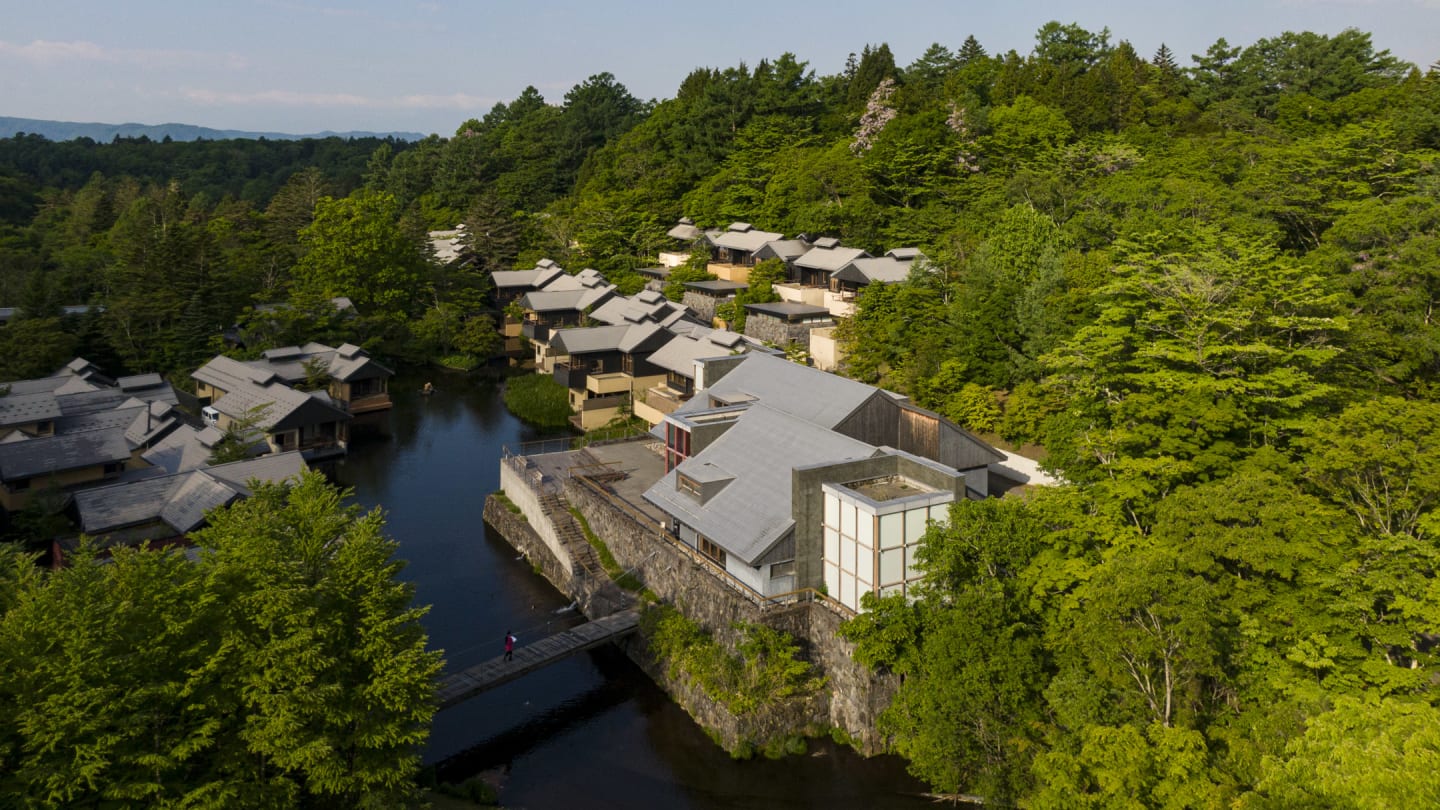
This luxury eco-resort in Nagano Prefecture uses hydropower generated from a nearby river. The property’s architecture blends with the surrounding forest, and its cuisine is prepared from locally grown, seasonal produce. The resort emphasizes mindfulness and harmony with nature.
Its operational model shows how renewable energy can power high-end accommodations while enhancing the guest’s connection to the environment.
Six Senses Laamu – Maldives

Located in the Maldives, Six Senses Laamu is committed to marine conservation and sustainable operations. It has an advanced waste management system, uses renewable energy sources, and educates guests about coral reef preservation.
This resort proves that even in remote island locations, high environmental standards are achievable with the right infrastructure and dedication.
Hotel Verde – Cape Town, South Africa
.jpg)
Known as “Africa’s Greenest Hotel,” Hotel Verde holds both LEED Platinum and Green Star certifications. It incorporates greywater recycling, solar energy, and on-site composting. The hotel is also dedicated to community engagement and local sourcing.
Its model shows how urban hotels can be leaders in sustainability while offering modern comforts and amenities.
Benefits of Certified Green Hotels
Environmental Conservation – By reducing energy and water use, certified hotels help preserve natural resources for future generations.
Healthier Guest Experience – Improved air quality, toxin-free cleaning products, and natural building materials contribute to a healthier stay.
Community Support – Local sourcing creates jobs and supports regional economies.
Cost Efficiency for Operators – Energy and water savings reduce operational costs, ensuring the hotel’s long-term viability without increasing guest prices.
Brand Differentiation – Certification helps hotels stand out in a competitive market, attracting eco-conscious travelers.
Practical Use Cases
Corporate Travel Programs
Businesses committed to corporate social responsibility can book certified green hotels to align with sustainability goals, reducing the environmental impact of employee travel.
Government & NGO Conferences
Organizations focused on environmental or humanitarian work can ensure their accommodations reflect their mission values by selecting certified properties.
Eco-Tourism Packages
Tour operators can design itineraries that exclusively feature certified hotels, appealing to travelers who want responsible vacation options.
Long-Term Professional Stays
Professionals on extended assignments can choose green hotels for healthier environments and reduced ecological impact.
Wellness Retreats
Certified hotels with toxin-free materials, organic cuisine, and access to natural spaces are ideal for wellness and rejuvenation retreats.
The Future of Certified Green Hotels
The travel industry is moving toward sustainability as a standard rather than a niche choice. Increasing traveler awareness, combined with advancements in eco-technology, will make certified green hotels the preferred option for a growing number of guests.
In the future, certification processes are expected to become more globally standardized, and hotels will integrate even more renewable energy, smart systems, and sustainable sourcing. This will create a hospitality landscape where luxury and environmental responsibility go hand in hand.
Frequently Asked Questions
1. What qualifies a hotel for green certification?
A hotel must meet specific criteria in sustainability, such as energy efficiency, water conservation, and waste reduction, as verified by an independent certification body.
2. Are certified green hotels only for eco-tourists?
No. These hotels cater to all types of travelers, offering the same—or higher—standards of comfort while reducing environmental impact.
3. How can I verify if a hotel is truly certified?
You can check certification databases from recognized organizations like LEED, Green Key, or EarthCheck, or confirm directly with the hotel’s official documentation.