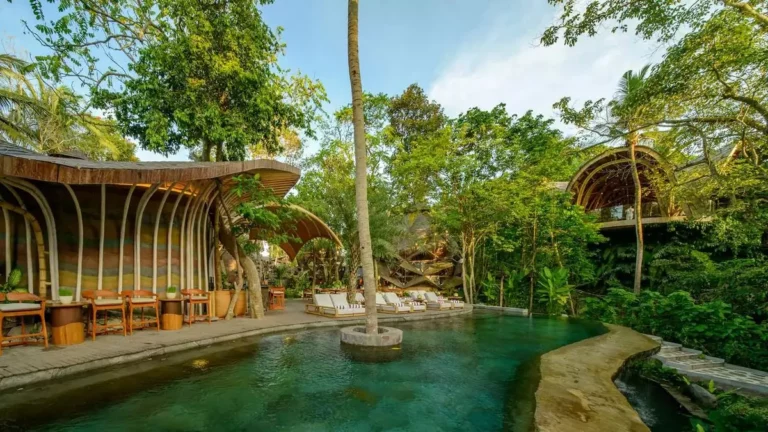
Sustainable Hotels – A Complete Guide to Eco-Friendly and Responsible Stays
Sustainable hotels are hospitality establishments designed and operated to minimize their environmental impact while supporting the local economy and community. Unlike hotels that only implement partial green measures, sustainable hotels follow a comprehensive approach that integrates environmental stewardship, cultural respect, and economic responsibility.
They focus on reducing resource consumption, preventing pollution, supporting biodiversity, and promoting fair labor practices. This often involves sourcing locally produced materials and foods, using renewable energy, and encouraging guests to participate in eco-friendly practices during their stay.
Core Principles of Sustainable Hospitality
Sustainability in hotels isn’t limited to energy-saving lightbulbs or eliminating plastic straws—it’s a holistic model. It includes:
- Environmental Responsibility – Reducing greenhouse gas emissions, conserving water, and preventing waste.
- Economic Sustainability – Supporting local suppliers and providing fair employment opportunities.
- Cultural Preservation – Incorporating local traditions, art, and heritage into hotel design and guest experiences.
- Guest Education – Encouraging visitors to adopt sustainable practices during and beyond their stay.
These principles form the foundation of sustainable hospitality and differentiate it from standard hotel operations.
How Sustainable Hotels Operate in Practice

Sustainable hotels adopt operational strategies that have long-term positive impacts. This can include designing energy-efficient buildings, installing water recycling systems, and reducing waste through composting and recycling programs.
Daily operations may involve using biodegradable cleaning products, replacing single-use amenities with refillable dispensers, and sourcing food from local organic farms. Staff training ensures that the sustainability message is embedded in every aspect of service, from housekeeping to guest interactions.
Technology in Sustainable Hotels
Technology plays a critical role in ensuring hotels maintain their sustainability goals efficiently:
- Smart Energy Management Systems – Sensors adjust lighting, heating, and cooling based on room occupancy.
- Water-Saving Innovations – Low-flow showers, greywater reuse, and smart irrigation systems reduce water waste.
- Renewable Energy Integration – Solar, wind, and geothermal power help hotels run on clean energy.
- Digital Operations – Mobile check-in, e-receipts, and app-based room controls minimize paper and energy waste.
These innovations ensure that sustainability is practical, measurable, and seamless for both guests and staff.
Real-World Examples of Sustainable Hotels
Proximity Hotel – Greensboro, North Carolina, USA

The Proximity Hotel is one of the first hotels in the U.S. to achieve LEED Platinum certification. It operates with 100 solar panels, energy-efficient elevators, and a regenerative drive system that reduces power use. The building uses abundant natural light, and its restaurant sources ingredients from local farms.
This property shows that sustainability can be integrated into every stage of hotel design and operation without compromising guest luxury or comfort.
Hoshinoya Karuizawa – Nagano, Japan
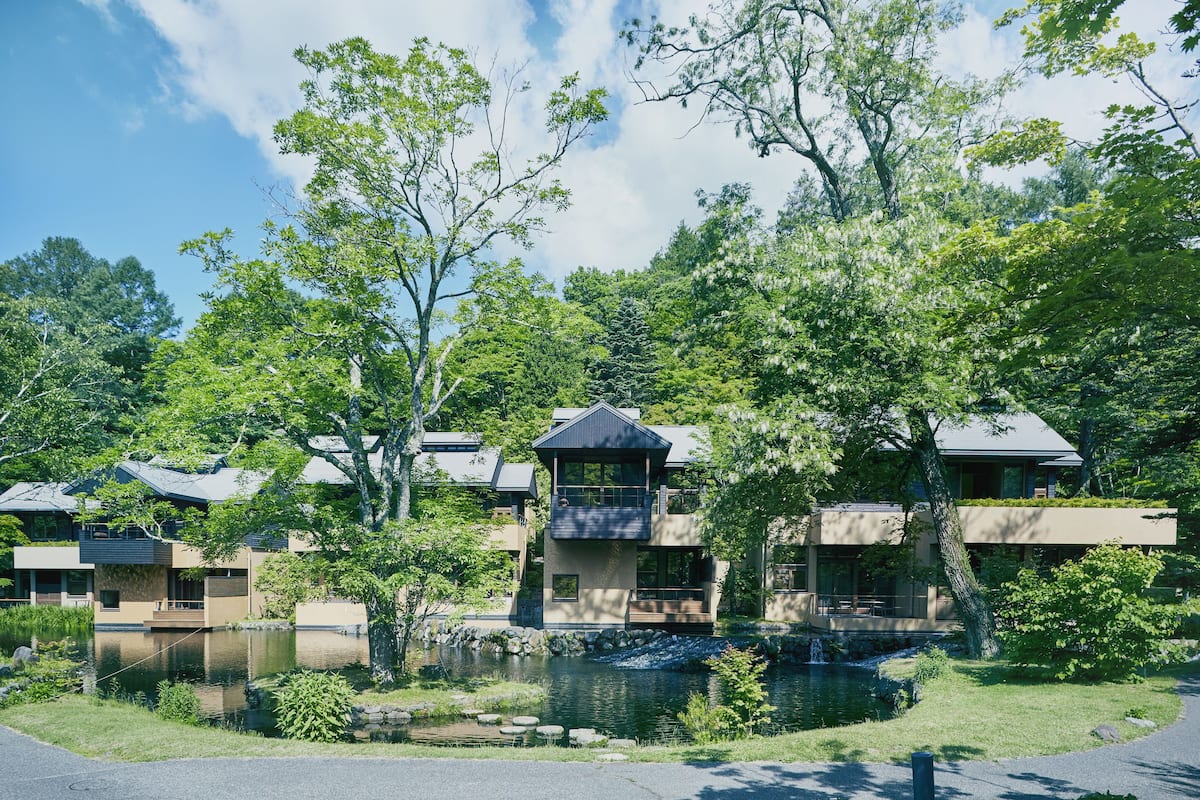
This luxury eco-resort generates electricity using hydropower from a nearby river. It blends harmoniously into the surrounding forest and serves locally sourced cuisine. The property emphasizes quiet, nature-based experiences that allow guests to connect with the environment while leaving a minimal footprint.
It’s a prime example of how hotels can integrate renewable energy with cultural and natural preservation.
The Green House Hotel – Bournemouth, UK
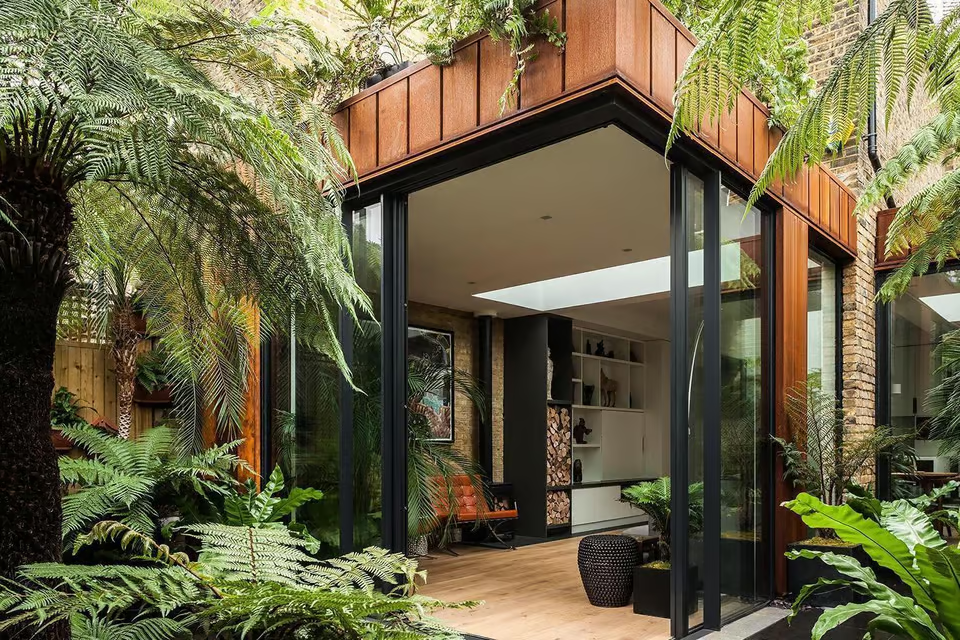
The Green House Hotel runs entirely on renewable electricity and uses furniture made from sustainable sources. It has implemented water-saving systems, waste reduction programs, and a seasonal menu featuring local produce.
This boutique property demonstrates that even small hotels can maintain high environmental standards and win awards for sustainability.
Six Senses Laamu – Maldives

Located on a remote atoll, Six Senses Laamu prioritizes marine conservation, using renewable energy and advanced waste management systems. The resort works closely with marine biologists to protect local ecosystems and educates guests about coral reef preservation.
Its operations prove that sustainability is achievable even in challenging island environments.
Hotel Verde – Cape Town, South Africa

Known as “Africa’s Greenest Hotel,” Hotel Verde has LEED Platinum and Green Star certifications. It features greywater recycling, solar power, composting facilities, and locally sourced materials. It also engages in community development projects, ensuring sustainability benefits extend beyond its walls.
This hotel illustrates how urban properties can be leaders in eco-conscious hospitality.
Benefits of Staying in Sustainable Hotels
Environmental Protection – Reduced energy and water use helps preserve resources and minimize carbon footprints.
Healthier Guest Environment – Non-toxic cleaning products and natural materials improve air quality and comfort.
Support for Local Communities – Local sourcing and fair employment benefit regional economies.
Cultural Enrichment – Guests experience authentic local traditions and heritage integrated into the hotel experience.
Long-Term Value – Sustainable operations often reduce costs, keeping hotels competitive and ensuring long-term service quality.
Practical Use Cases for Sustainable Hotels
Corporate Travel Policies
Businesses can align with sustainability commitments by booking employees into eco-friendly accommodations, helping meet corporate responsibility targets.
Educational Retreats
Schools and universities can use sustainable hotels for field trips, exposing students to real-world sustainability practices.
Eco-Tourism Packages
Tour operators can design travel experiences featuring sustainable hotels to attract environmentally conscious travelers.
Wellness Programs
Hotels with toxin-free environments, organic menus, and natural surroundings are ideal for wellness retreats and health-focused events.
Long-Term Guest Stays
Remote workers and professionals on extended assignments can choose sustainable hotels for healthier, eco-conscious living conditions.
The Future of Sustainable Hotels
The hospitality industry is shifting toward sustainability as the new standard. As consumer awareness grows, hotels will increasingly adopt eco-friendly operations not just for competitive advantage, but as a necessity.
Future sustainable hotels will likely integrate net-zero carbon designs, advanced renewable energy storage, and AI-driven resource management. This evolution will redefine guest expectations, blending luxury, comfort, and responsibility into a single travel experience.
Frequently Asked Questions
1. What makes a hotel sustainable?
A hotel is sustainable if it minimizes environmental impact, supports local economies, and promotes cultural and social responsibility through measurable practices.
2. Are sustainable hotels more expensive?
Not necessarily. While some luxury sustainable hotels are high-end, many are competitively priced, and their efficiency often helps keep costs manageable.
3. How can travelers confirm a hotel’s sustainability claims?
Look for recognized certifications such as LEED, Green Key, or EarthCheck, and review the hotel’s official sustainability reports or public audits.